
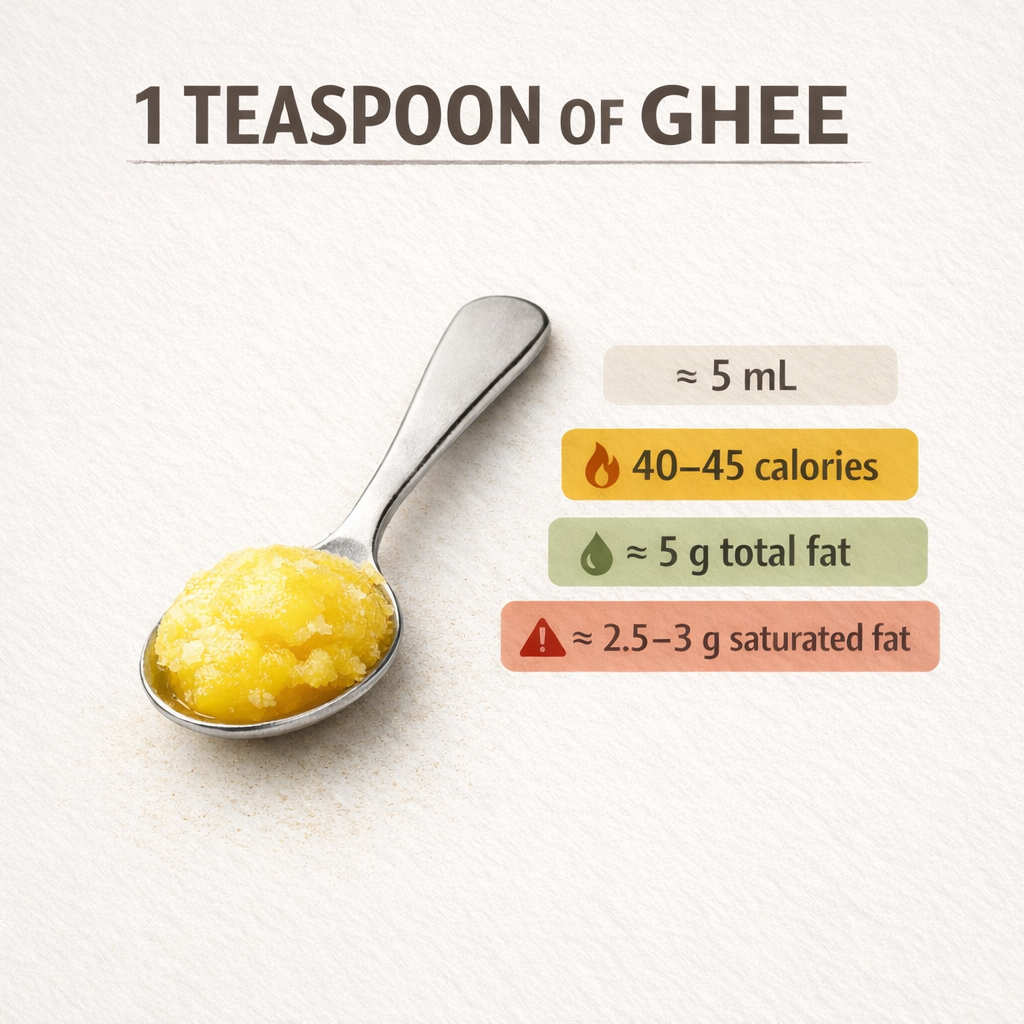
Clarified butter, or ghee, has been used for cooking and medicinal purposes for millennia, particularly in the Indian subcontinent. Over time, its use spread to the Middle East, Central Asia, parts of Africa, and more recently to the Americas.
Today, ghee is often promoted as a “heart-healthy” traditional fat—but tradition alone does not determine metabolic safety.
Origins of Ghee
Ghee is described in the Rigveda, one of the oldest known texts in human history, where it was used for cooking, religious rituals, and Ayurvedic medicine. This places routine ghee use at over 3,000–4,000 years old, making it one of the earliest processed dietary fats in recorded history.
Its development likely followed cattle domestication. In hot climates, butter spoiled quickly because of its water and milk solids. Clarification was an early preservation strategy to improve shelf life and storage stability.
How Ghee Is Made: A Chemical Perspective
Ghee production occurs in distinct thermal phases:
- 100–105°C: Water evaporates as steam.
- 110–120°C: Milk solids separate and fat becomes clear — this is true ghee formation.
- 120–130°C: Milk solids brown (Maillard reaction), producing the characteristic nutty aroma.
Removing water and milk solids:
- Prolongs shelf life
- Eliminates milk proteins
- Raises the smoke point to approximately 250°C
What remains is nearly pure milk fat.
Nutritional Profile and Proposed Benefits
Approximately 73% of ghee’s fatty acids are saturated fats. While early epidemiologic studies linked saturated fat to cardiovascular disease, many of those studies were methodologically flawed, and contemporary data do not uniformly support saturated fat as an independent causal agent.
Ghee contains:
- Fat-soluble vitamins A, D, E, and K
- Linoleic acid (a polyunsaturated fatty acid)
- Antioxidative compounds
- High thermal stability
These properties explain its long-standing culinary and medicinal appeal.
What Does the Clinical Evidence Show?
High-quality randomized trials on ghee are limited.
In a crossover randomized trial comparing ghee versus olive oil for four weeks each, ghee consumption resulted in:
- Increased apolipoprotein B
- Increased non-HDL cholesterol
Both are established markers of atherosclerotic risk (1).
In another randomized trial in patients with non-alcoholic fatty liver disease, replacing ghee with canola (rapeseed) oil (2) for 12 weeks led to:
- Improved liver enzymes
- Lower triglycerides
- Improved fasting glucose and insulin resistance
- Reduced weight and waist circumference
Notably, these benefits likely reflect the cardioprotective effects of canola and olive oil, rather than direct effects of ghee itself. These studies also lacked detailed data on cooking temperature, amount of fat used, or overall dietary patterns.
The Smoke Point Misconception
Ghee is often praised for its high smoke point (~250°C). However, smoke point only reflects when visible burning begins—it does not indicate the temperature at which harmful compounds form.
Thermal decomposition of fats begins much earlier:
- 170–180°C: Formation of cholesterol oxidation products (oxysterols)
- Pro-inflammatory
- Pro-atherogenic
- Endothelial toxic
At higher temperatures, especially with deep frying or repeated reuse, ghee generates:
- Acrolein and other aldehydes
- Irritant and toxic inhalants
- Compounds associated with oxidative stress and DNA damage at higher exposures
Repeated overheating and reuse markedly increase the formation of potentially carcinogenic byproducts.
In short:
Ghee may not smoke until 250°C, but biochemical damage begins well below that temperature.
How Should Ghee Be Used?
Ghee is best used for:
- Low–moderate heat cooking
- Sautéing and tempering
- Finishing fats (over grains, vegetables, breads)
It should be avoided for:
- Deep frying
- Smoking or darkening
- Repeated or prolonged reuse
Once ghee has been used for frying, it should be discarded, not reused.
References
- Mohammadi Hosseinabadi S, Nasrollahzadeh J. Effects of Diets Rich in Ghee or Olive Oil on Cardiometabolic Risk Factors in Healthy Adults: A Two-Period, Crossover, Randomised Trial. Br J Nutr. 2022.
- Maleki Sedgi F, Mohammad Hosseiniazar M, Alizadeh M. Effects of Replacing Ghee With Rapeseed Oil on Liver Steatosis and Metabolic Parameters in NAFLD: A Randomised Controlled Trial. Br J Nutr. 2024.
–Anusha Bhat, MD, MPH
Cardiologist/ Cardio-oncologist